
Balancing supply and demands
18 Mar 2025
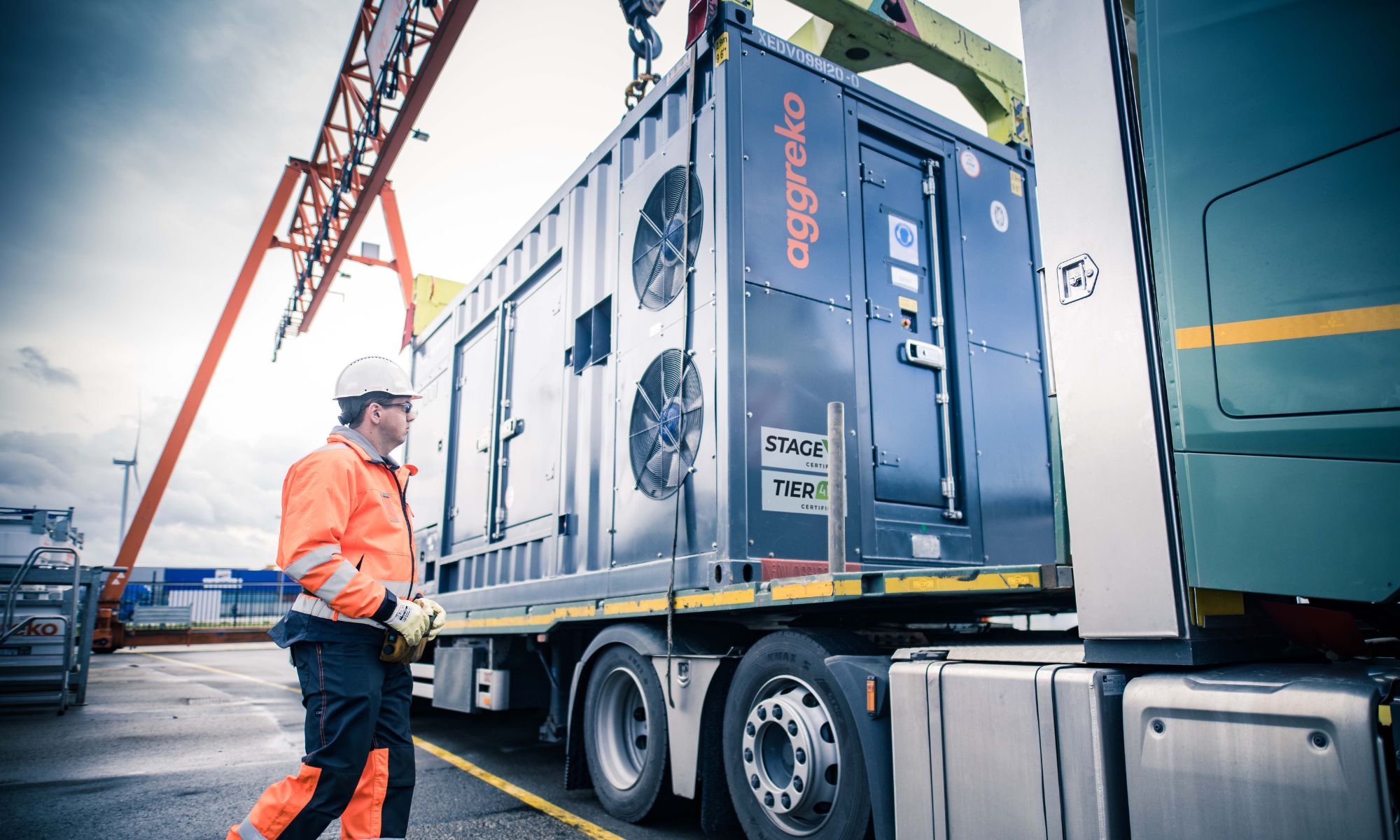
Pharmaceutical manufacturing is becoming subject to greater disruption says Aggreko’s Craig Akers, placing more emphasis on boosting efficiency and sustainability…
As an industry, pharmaceutical manufacturing is subject to its own unique rhythms. The nation’s medical needs are diverse and changeable, with rapidly fluctuating product demand putting pressure on supply chains that can lead to medical shortages in pharmacies.
The complex nature of pharmaceutical supply chains also increases their propensity for disruption. Unforeseen shocks have become increasingly common post-pandemic, with the intricate and interconnected nature of these chains leaving them uniquely exposed to upheaval from unexpected events.
But while medication needs, supply chain demand and the overall sector landscape may be changeable, power provision to pharmaceutical manufacturing sites must remain consistent. Yet overall site resilience is becoming increasingly hard to guarantee, with factors such as ageing, inefficient equipment, National Grid instability and power price volatility proving difficult obstacles in such an energy-intensive sector.
Unforeseen shocks have become increasingly common post-pandemic, with the intricate and interconnected nature of these chains leaving them uniquely exposed to upheaval
These are undoubtedly major challenges, but they must be addressed if site stakeholders are to maintain profit margins and avoid unplanned process disruption and downtime caused by power constraints. The need to do so is further underlined by organisations such as Made in Britain, which has continued to advocate for policies that prioritise supply chain resilience and sustainability.
Grappling with the Grid
Site stakeholders are therefore under pressure to plot a way forward, and source consistent power supplies required to safeguard operations and produce high product yields. Yet growing intermittency means pharmaceutical manufacturers cannot solely rely on the grid if they are to bolster overall resilience. These concerns are especially prevalent at newer sites, which may be subject to grid connection delays.
This proved the case in Aggreko’s recent work with a leading Irish pharmaceutical manufacturer, which faced grid capacity limitations when building a new production facility. We recommended a decentralised power solution using gas generators, providing a reliable 1.4 MW electricity supply that ensured continuous production over a three-to-five-year period. By moving to an on-site energy provision model, site stakeholders were able to enhance the plant’s operational efficiency while bridging a power gap ahead of eventual connection to the grid.
Faced with similar situations, it is highly advised that plant decisionmakers review existing arrangements around decentralised power provision. This includes evaluating existing on-site technologies including generator systems and uninterrupted power supplies, as well as industrial chillers and other HVAC solutions used in manufacturing processes. Keeping this equipment portfolio updated is vital to ensuring the efficient provision of backup power and HVAC services required to negate unplanned downtime in case of power fluctuations and outages.
Overcoming investment barriers
Yet though upgrading existing off-grid equipment may be a crucial part of maintaining site operations, purchasing permanent installation outright is expensive, and upfront costs can be prohibitive for plant stakeholders facing squeezed capital expenditure budgets. Similarly, considering the cost pressures on pharmaceutical manufacturers, over- or under-specifying power or HVAC systems can pose a similar risk to budgets and profit margins.
Even giants such as AstraZeneca are not immune from financial upheaval, with funding cited as the reason for a potential move from the US to the UK despite previous plans to build new manufacturing facilities in Liverpool and Cambridge. Given these cost pressures, a hire-based equipment procurement strategy may become more attractive for pharmaceutical manufacturers.
Focus on utility
Adopting this flexible approach to sourcing power systems and HVAC technologies means site stakeholders can be more agile and react quicker to changes in site utility demand. Additionally, pharmaceutical manufacturers can exercise a greater level of control over process conditions and power provision, further increasing the efficiency of site operations.
Implementing a hire strategy also allows easier access the latest and most efficient generator and process cooling technologies, further reducing energy costs, consumption and emissions. Crucially, the risk of stranded assets is similarly reduced, as new equipment can be sourced from suppliers to accommodate fluctuating site demand or to ensure compliance with changing legislation and regulations. Yet for this strategy to be as successful as possible, pharmaceutical manufacturers should evaluate their supply chain and ensure they are working with organisations capable of providing a wide range of energy-efficient and reliable solutions.
Addressing the pharmaceutical manufacturing sector’s resilience concerns will require a flexible, modular approach
Aggreko’s Greener Upgrades initiative, for instance, demonstrates the company’s multi-million-pound commitment to sustainable practices. Through the latest technologies including Stage V generators, battery energy storage systems, steam generators and chillers with lower Global Warming Potential (GWP) refrigerants, site stakeholders can be better assured of site resilience while also reducing their plant’s carbon footprint. If powered by greener fuels such as hydrotreated vegetable oil (HVO), even greater emissions reductions can be made.
In conclusion, addressing the pharmaceutical manufacturing sector’s resilience concerns will require a flexible, modular approach to power provision. This includes working with the supply chain to implement hired generator and process equipment that can phase out older installations, realising savings despite the industry’s ‘always on;’ model. Specifically, by adopting more sustainable and efficient technologies on a hire basis, stakeholders can lower onsite emissions, improve efficiency, and reduce costs without the prohibitive financial outlay required for permanent installations.
By implementing this level of dynamism and scalability into power and HVAC provision and procurement, such solutions can help pharmaceutical manufacturers boost productivity with greater protection against market volatility. Set against a backdrop of fluctuating product demand and energy-intensive processes, this approach could be invaluable to protecting plant bottom lines while enhancing overall plant resilience in a sustainable way.
Craig Akers is major projects & HV systems technical manager at Aggreko
