
The growth of electric boilers in UK industrial process heating
19 Nov 2025
Driven by government policy, market forces, and the urgency of decarbonisation, industry is rethinking one of the most energy-intensive aspects of operations: heat production, says Etienne Fourie. The move from gas-fired boilers towards electric alternatives promises to reshape process heating in the UK...
The government’s Modern Industrial Strategy, published in June, sets a clear course for the next decade, with a central focus on clean energy and net zero growth. It explicitly links the competitiveness of advanced manufacturing, chemicals, and other energy-intensive industries to their ability to decarbonise.
Electricity is expected to play a pivotal role. By reducing dependence on volatile gas imports and harnessing the UK’s growing portfolio of renewable generation, electrified technologies are viewed as a route to long-term resilience and competitiveness. Policy commitments such as the British Industrial Competitiveness Scheme – which will reduce industrial electricity costs by up to £40/MWh from 2027 – and reforms to accelerate grid connections, demonstrate the government’s intent to make electrification viable for industry.
Gas to Grid: why industry is changing
The financial case for switching from gas to electricity is strengthening. While electricity prices in the UK remain higher than those in some European counterparts, volatility in global gas markets has undermined the assumption that gas is always cheaper. For businesses exposed to long-term decarbonisation costs, including the forthcoming UK Carbon Border Adjustment Mechanism (CBAM), electric boilers provide a hedge against future regulatory and market risks
Equally important are operational benefits. Electric boilers offer efficiencies above 99%, rapid response times, and precise control, which can improve process stability and product quality. Unlike gas systems, they require no chimneys, combustion management, or emissions monitoring, reducing maintenance and compliance burdens.
Types of electric boilers
The range of electric boiler technology now available reflects the diversity of industrial needs.
High-voltage electrode boilers are increasingly viewed as the flagship technology for heavy industry, capable of replacing large fossil-fired units in sectors such as chemicals, paper, and food processing. They have the ability to generate high-pressure steam, and their fast start-up times make them ideal for integration with renewable power and for participation in grid balancing services.
For smaller and medium-scale requirements, immersion heater boilers offer a versatile and efficient option. Available in steam, hot water, and thermal fluid configurations, these units can deliver outputs from just a few hundred kilograms of steam per hour up to several tonnes. They are particularly attractive for decentralised boiler houses, sites with fluctuating demand, or hybrid operations where electricity complements an existing fossil system. Our LV-Pack low-voltage electric boiler, for example, is not only easy and economical to use, but its precise pressure control with multiple power stages enables it to react quickly to load changes. This makes it possible to make quick starts to absorb available grid power when needed.
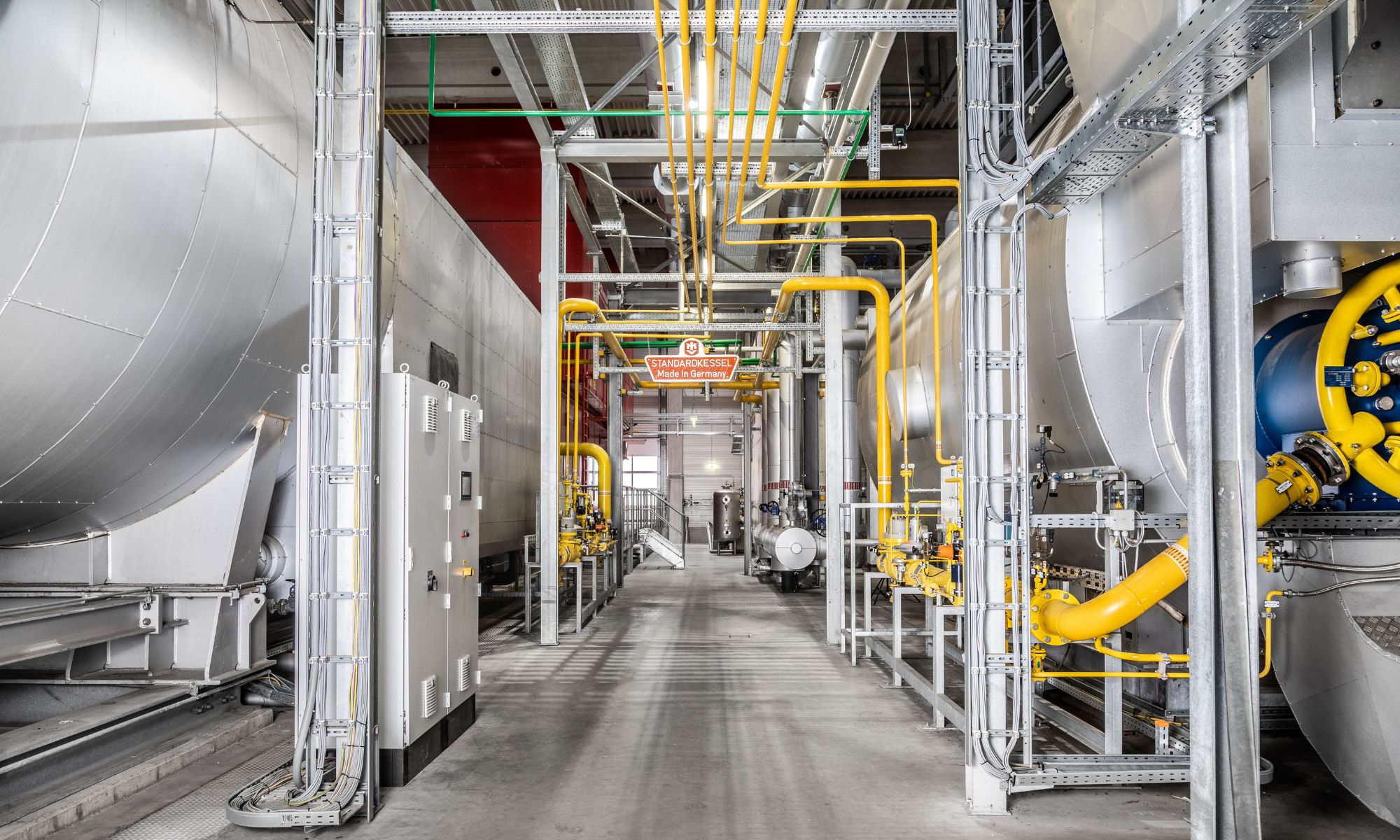
Hybrid boilers, meanwhile, are emerging as a pragmatic stepping-stone. By integrating electrical elements into conventional gas or oil boilers, they allow operators to flex between fuels depending on price signals, carbon intensity, or grid availability. Hybrid Condor boilers from VKK Standardkessel (pictured), for example, incorporate flanged electric heaters alongside traditional combustion. For many, this is an appealing way to reduce emissions while preserving continuity of service during the energy transition.
Challenges and opportunities
The path to widespread electrification is not without obstacles. Chief among them is cost: industrial electricity prices remain high relative to gas, despite recent government relief schemes. The Industrial Strategy acknowledges this barrier and commits to long-term reforms to reduce energy costs, accelerate grid connections, and expand corporate power purchase agreements (CPPAs) to secure affordable low-carbon electricity.
Infrastructure is another hurdle. Significant investment is required to ensure grid capacity keeps pace with industrial demand, particularly in clusters such as Teesside, Humberside, and the Humber where heavy industries are concentrated. Encouragingly, reforms to planning and grid connection processes are expected to cut waiting times by up to seven years, potentially unlocking faster deployment of electric boilers across the UK. This is much needed, as we have witnessed first-hand with customers who have invested in our electric boilers yet are still waiting for grid connection.
Yet the opportunities are substantial. Electrification can help industry achieve zero on-site emissions, a critical requirement for net zero targets. It also creates the conditions for greater integration of industry with the power system, enabling businesses to benefit from demand-side response and grid services markets. In a world of increasingly digital, decentralised energy systems, the electric boiler is not simply a replacement for a gas unit – it becomes an active participant in the wider energy transition.
Etienne Fourie is technical sales manager, Babcock Wanson
