
The price of development is greater challenges
17 Oct 2024
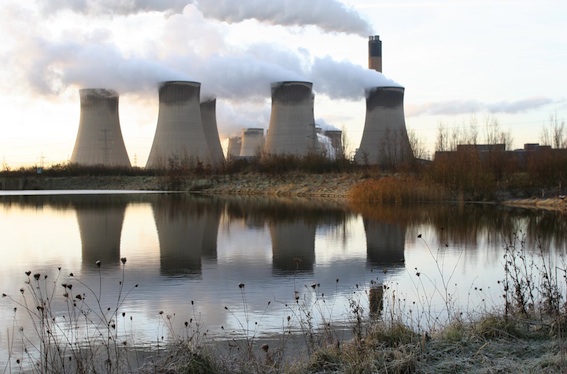
The need to protect those economic activities vital to the functioning of a state and society has been long understood in times of conflict. More recently we have become familiar with the concept of critical national infrastructure serving as a means during peacetime for hostile powers to pursue war by other, less expensive means.
For connectivity brings new problems along with benefits, allowing opponents to overcome the geographical limitations on their activities. The same applies to the activities of organised crime as well as the opportunist hacker.
As our Viewpoint article reminds us, that places fresh emphasis on a public-private partnership in order to ensure a truly joined up response. The task of defending CNI against belligerent foreign or criminal interests is too large and diffuse for government agencies alone. It is also essential to tap into specialist knowledge from within the economic sphere and to understand industry’s priorities and concerns.
However, as Dr Robin Preece reminds us (page15), there is a further dimension to the CNI challenge, one that is perhaps more overlooked because it has, paradoxically, been a more constant – in fact permanent – background presence: climate.
Storms, drought, floods and the like have always been limiting factors for industrial operations. But the recent rate of change in climate conditions necessitates a shift in our thinking, argues Dr Preece.
As we enter an era of increasing dependence on electricity and wind power, this will likely coincide with harsher and more unpredictable weather conditions including storms, floods and rises in sea levels.
Industry bears of course considerable responsibility for the human contribution to environmental pressures, so has an ethical and commercial investment in improving things. Again though, as Alexander Krajete (page19) emphasises, its responses may need to be more agile and all-encompassing; taking care, for example, that the singular focus on combatting carbon dioxide does not continue to overlook the prevalence of nitrogen and sulphur oxide emissions.
The unprecedented expansion in industrial innovation and potential has perhaps inevitably brought with it a greater complexity of challenges that once seemed beyond its sphere.
