
Salt-loving bacteria could give cheese makers the commercial edge
27 Jan 2026
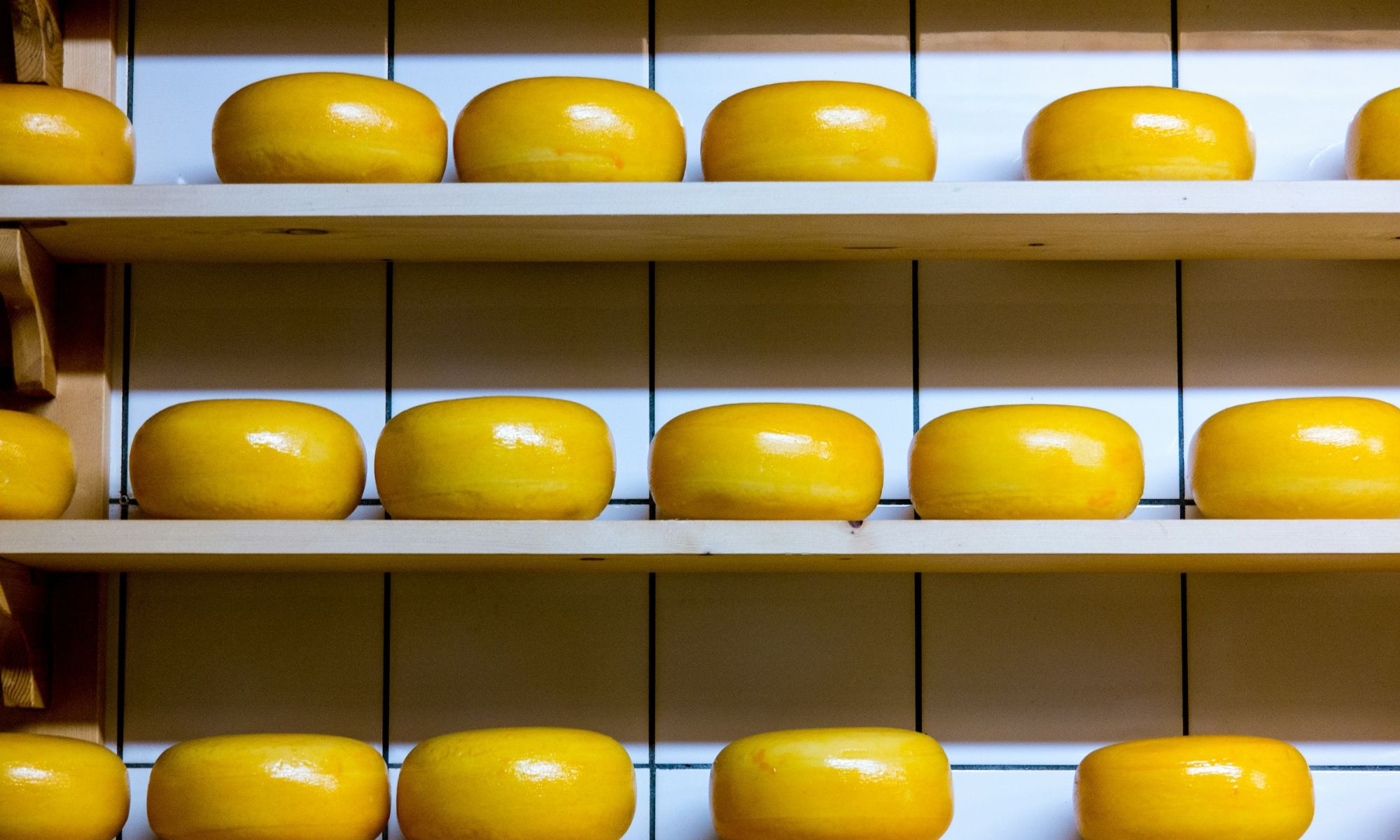
Cheese producers could have a new ally in the production process – a bacteria that enables faster ripening.
Tests making Gouda cheese with the addition of the Tetragenococcus halophilus bacterium revealed that the product matured more rapidly than control cheeses, without altering the taste.
The discovery was made by Hannes Decadt, doctoral researcher at Belgium’s Vrije Universiteit Brussel (VUB) Research Group Industrial Microbiology and Food Biotechnology (IMDO).
Decadt’s work has suggested that taste variation in cheeses is not dependent only upon processing conditions, seasonal variations or the use of milk but also affected bymicrobial behaviour and the type of bacterial cultures used.
And the researcher said that deliberately harnessing for the first time the bacterium’s ability to speed ripening could have obvious potential benefits for producers.
“Faster ripening represents a significant economic advantage for cheese producers, without compromising flavour or quality,” stated Decadt, whose research is published in Frontiers in Microbiology.
Key to his discovery was Decadt’s research on the part played in the cheesemaking process by brining baths, in which cheeses are kept for days in order to absorb salt.
The baths are often infrequently replaced and develop complex microbial environments
These were the source of Decadt’s earlier discovery in 2024 that another bacterium Loigolactobacillus rennini caused cracks and undesirable odours in cheese. In the course of this work, he discovered the presence of Tetragenococcus halophilus, a salt-tolerant lactic acid bacterium.
“My research may inspire other cheesemakers. Perhaps the secret of a truly exceptional cheese lies hidden deep within the brining bath,” said Decadt.
Pic: Katrin Leinfellner
