
Six pointers that identify linear actuator quality
23 Jul 2025
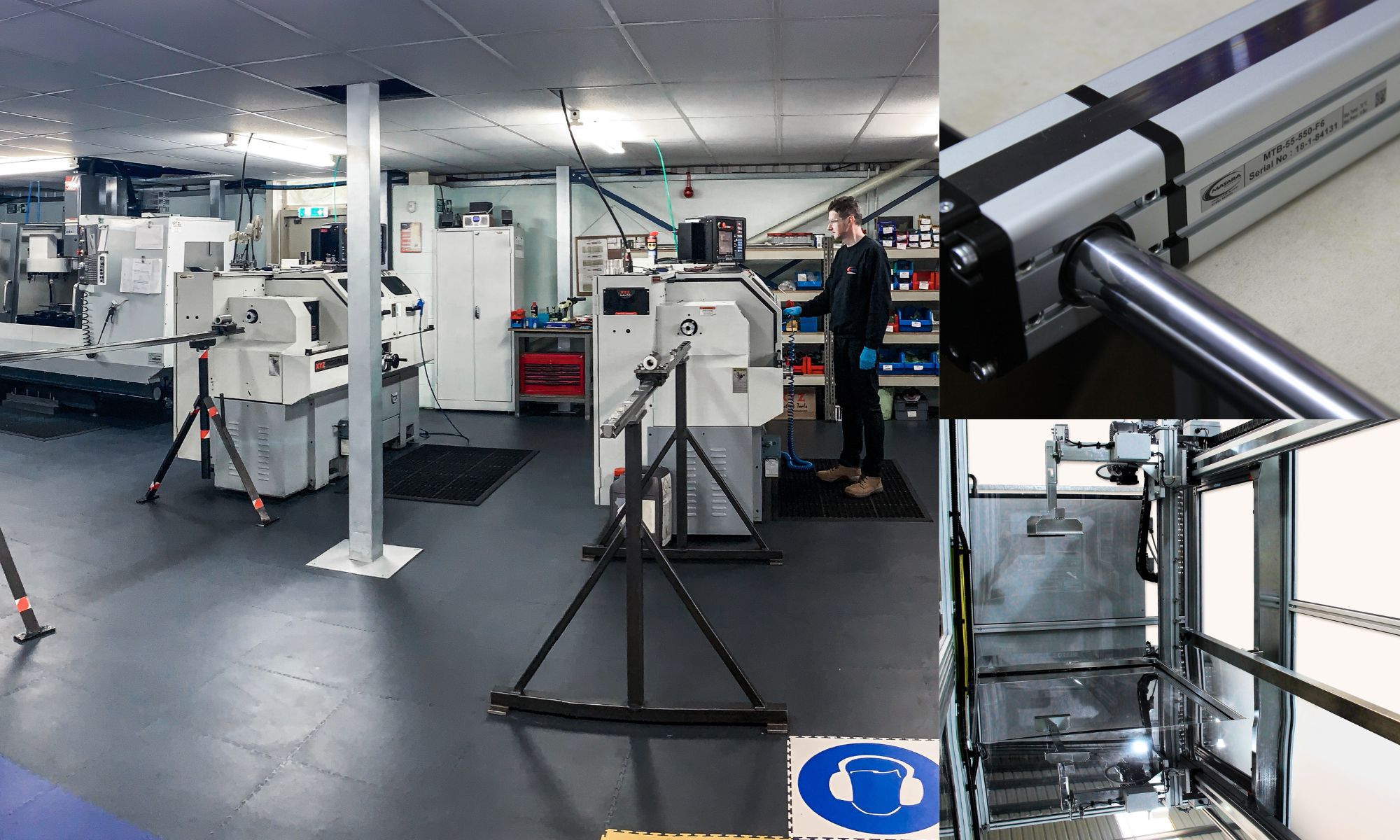
Linear motion systems are used in processes the world over. Central to these systems is a linear actuator, which converts the rotational motion from a motor into linear motion.
Ensuring high quality linear actuators are used within a linear motion system should be a key consideration in process applications, advises Matara's Kiran Patel. Failure to do so could have a seriously detrimental impact, from poor repeatability and accuracy through to mechanical deformation and, ultimately, breakdown...
The word ‘quality’ is ubiquitous, so how do you determine a good quality linear actuator from their lesser counterparts? Here, we look at six factors to consider when trying to determine the quality of a linear actuator:
Precision-machined components
Components need to be matched in tolerances and clearances to ensure that they work as a system. This reduces the vibrations on the system. Well machined components also enable the actuator to maintain tight tolerances which is important for repeatability and accuracy.
Buyers can assess machining quality by requesting tolerance specifications and manufacturing documentation such as engineering drawings or quality control reports. High-quality actuators will often have micron-level tolerances (<±10μm), and manufacturers should be able to provide surface finish data (e.g. Ra < 0.8μm for sliding components). Site visits, case studies, and evidence of ISO 9001 or ISO 2768 compliance can also help verify the precision of component manufacture.
Material selection
Ensure the actuator is made from material that is suitable for the application at hand. For corrosive or hygienic environments, for example, high-grade stainless steels such as AISI 316 (also known as 1.4401) are preferential due to their excellent corrosion resistance and mechanical strength. Critical components may also require a special coating and sealing arrangements. For structural elements not exposed to corrosive media, anodised aluminium alloys such as 6061-T6 are commonly used for their strength-to-weight ratio.
Grease selection also plays a key part to increase the life expectancy in a harsh environment. Synthetic lithium complex greases with high load-carrying capabilities (NLGI Grade 2), such as those with PTFE additives, are ideal. Always confirm compatibility with both the application environment and the actuator’s internal seals.
Documented performance metrics and lifecycle tests
Linear actuator performance metrics and lifecycle tests typically involve evaluating speed, force, acceleration, duty cycle, and L10 life, which estimates the time to failure for a certain percentage of actuators under specific conditions. Ask to see copies of these to confirm the actuator will perform to your requirements for the expected length of time. Also, ask the manufacturer if they have any customers that are using the actuator you are considering in similar applications or case studies.
Compliance
Is the linear actuator compliant with relevant industry standards? All actuators sold in the UK must be made to ISO 12100 / ISO 13849, and Machinery Directive 2006/42/EC. In certain sectors, additional standards may apply such as ISO 13485: Medical device quality management.
In addition to this, check the actuator’s IP rating and environmental certifications to ensure it is suitable for use in your specific application and environment.
Buy from a reputable manufacturer
One way to ensure you only purchase an actuator that is compliant is to buy from a reputable manufacturer. Check that manufacturer is ISO 9001 certified. This is a globally recognised standard for quality management and is a clear demonstration of their commitment to quality throughout their organisation. In addition to good quality product, a reputable manufacturer will also be able to offer you technical support and stock spare parts which, if you’ve ever been left in the lurch waiting several weeks for a part, you will know the value of.
Price
If you buy cheap, expect to get a cheaply made, poor quality actuator. There’s no cutting corners I’m afraid when it comes to making a linear actuator. But investing in a quality actuator ensures higher efficiency, less downtime, and long-term savings.
By understanding what defines actuator quality and asking the right questions, engineers can make more informed decisions that ultimately benefit system performance and safety.
Kiran Patel is product and business development manager at Matara
