
Just 1 in 5 pharma firms ‘risk ready’ in weeks before Gulf conflict, says report
7 Apr 2026
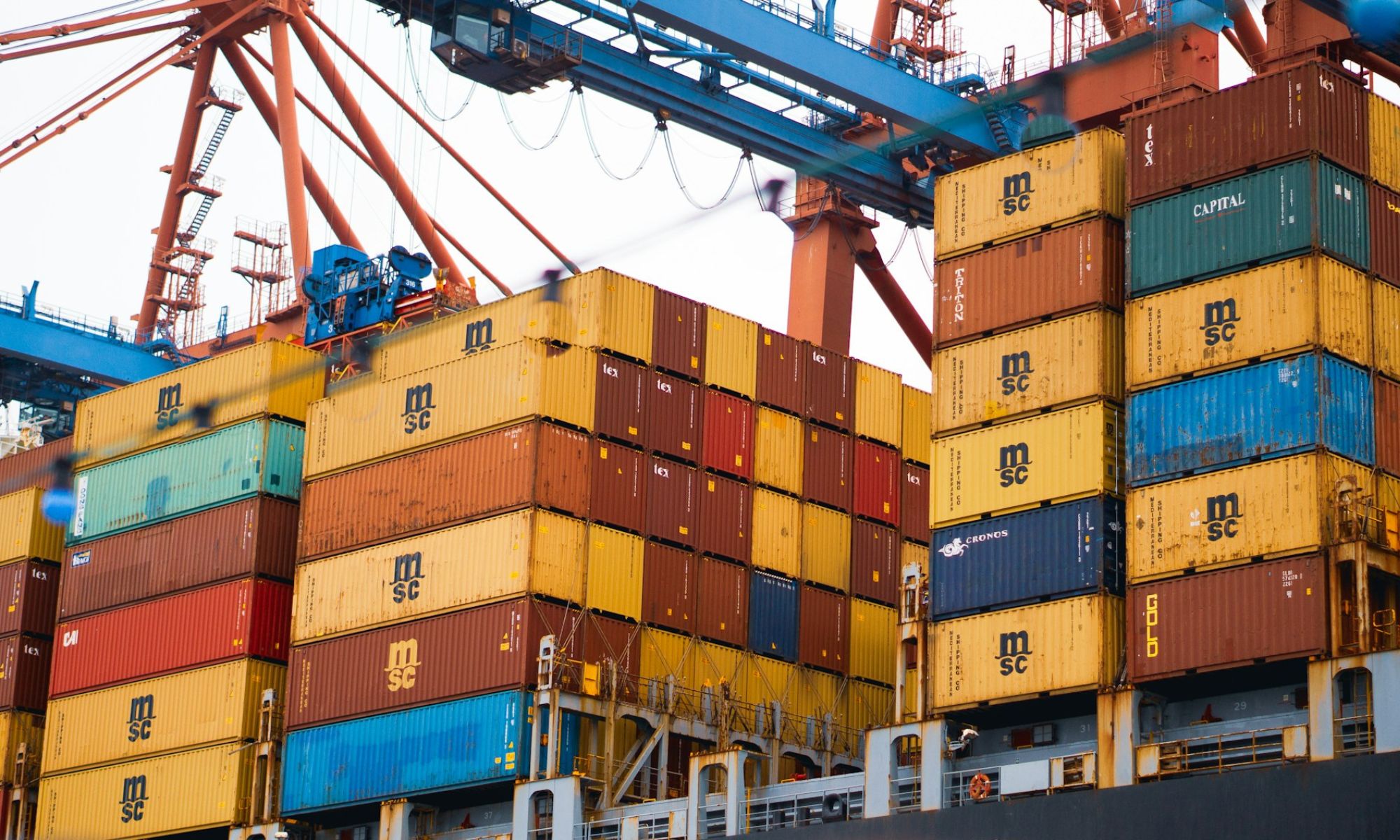
Barely more than one in five major pharma firms were conducting risk assessment for global threats, says a survey conducted just weeks before the outbreak of the Gulf conflict.
Consultancy Argon & Co. polled more than 800 senior executives in late 2025, to discover that only 22% of global pharma respondents were formally assessing the threat from geopolitical changes.
The key concern outlined in Argon’s Operations Outlook 2026 study is the likely effect of the Middle East conflict on process supply chains.
This includes global logistics routes, energy markets and critical raw materials, said the report authors.
But the problem is especially pronounced for life sciences companies reliant on sophisticated refrigeration for vaccines and other medicines’ transportation.
Ongoing disruption to Middle Eastern airports threatens freight timetables essential for maintaining cold chain integrity, warned Argon.
The threat to sea lanes to and from the Suez Canal via the Straits of Hormuz is also compromising the flow of key products such as active pharmaceutical ingredients from key suppliers India and China, said the company.
This in turn is likely to drive up prices for goods and imports, as well as energy costs, they added.
Associate partner at Argon & Co. Michel Savini stated: “During COVID and the Suez disruption, many companies implemented tactical fixes – building buffers, securing alternative suppliers – but these were often temporary measures.
“What we’re seeing now is that systematic, ongoing scenario planning has not been embedded at scale. The deprioritisation of scenario planning is therefore a growing risk to the continuity of critical medicines.”
He added that embedding scenario planning into core operations, with clear trigger points, real-time visibility, and integrated early warning systems within sales and operations planning processes was vital.
Cost pressures are forcing difficult trade-offs. Companies recognise the need to invest in resilience, but margin constraints mean they are being highly selective in where and how they act,” added Savini.
